

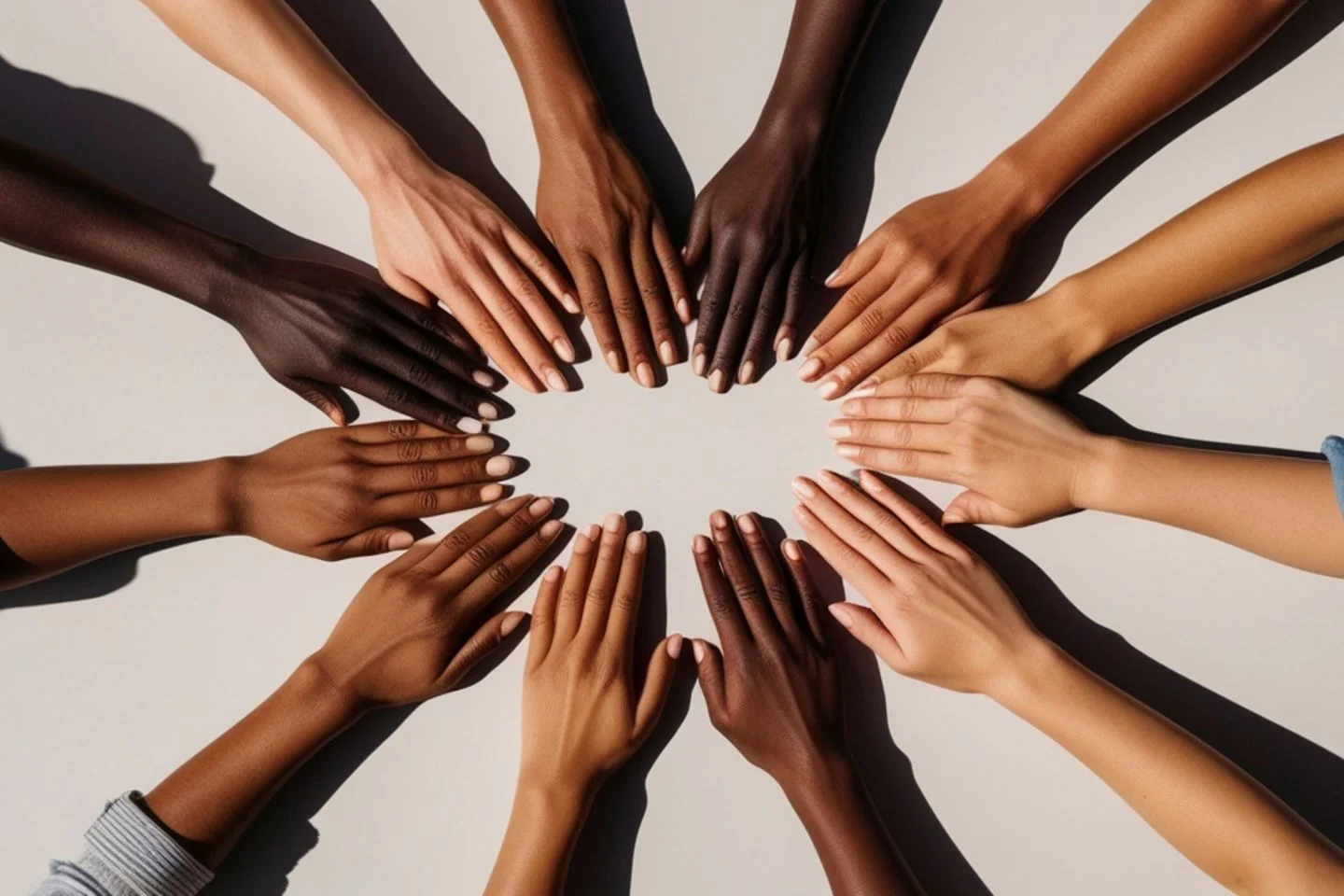
Diversity, Equity, and Inclusion (DEI) initiatives have faced increasing scrutiny recently. Some claim that DEI is “dead,” pointing to budget cuts, legal challenges, and shifting corporate priorities. But is DEI truly disappearing, or is it evolving into something more sustainable and impactful?
The Challenges Facing DEI
Over the past few years, DEI programs have encountered significant hurdles:
- Economic Pressures: Many companies have scaled back DEI budgets due to economic downturns, prioritizing other business imperatives.
- Legal and Political Backlash: Legislative actions in some regions have restricted certain DEI efforts, causing businesses to reassess their strategies.
- Employee Skepticism: Some employees question the effectiveness of DEI programs, especially if they perceive them as performative rather than substantive.
The Future of DEI: A Shift Toward Meaningful Inclusion
I don’t believe DEI is disappearing, rather it is undergoing a transformation. Companies still seem to be committed to fostering truly inclusive environments. The shift in focus includes:
- Embedding DEI into Business Strategy
DEI is becoming less of a standalone initiative and more of an integrated part of company culture. Organizations are embedding inclusive practices into leadership development, recruitment, and performance management rather than treating DEI as a separate function.
- Data-Driven Decision-Making
Businesses are using analytics to assess the impact of DEI efforts, tracking metrics like employee retention, promotion rates, and pay equity. Data-driven insights are helping to ensure that initiatives lead to tangible outcomes rather than just symbolic gestures.
- Inclusive Leadership and Accountability
Companies are holding leaders accountable for fostering inclusive cultures. Executive compensation and performance reviews increasingly include DEI-related goals, ensuring that leadership prioritizes equity and belonging.
- Psychological Safety and Employee Resource Groups (ERGs)
Organizations are investing in initiatives that create a culture of belonging. Employee resource groups (ERGs), mentorship programs, and open dialogues can help employees feel valued and supported in the workplace.
- Broadening the Definition of Diversity
Companies are expanding their focus beyond race and gender to include aspects like neurodiversity, socioeconomic background, disability, and age. A holistic approach to diversity ensures that all employees have equal access to opportunities.
Conclusion: DEI Isn’t Dead—It’s Evolving
While DEI initiatives are shifting in response to external pressures, the core mission remains: creating workplaces where everyone feels valued, respected, and empowered. Organizations that move beyond performative actions and commit to genuine, data-backed strategies will continue to build inclusive cultures that drive innovation and success.
What are your thoughts on the future of DEI? What are you observing with how organizations are transforming?